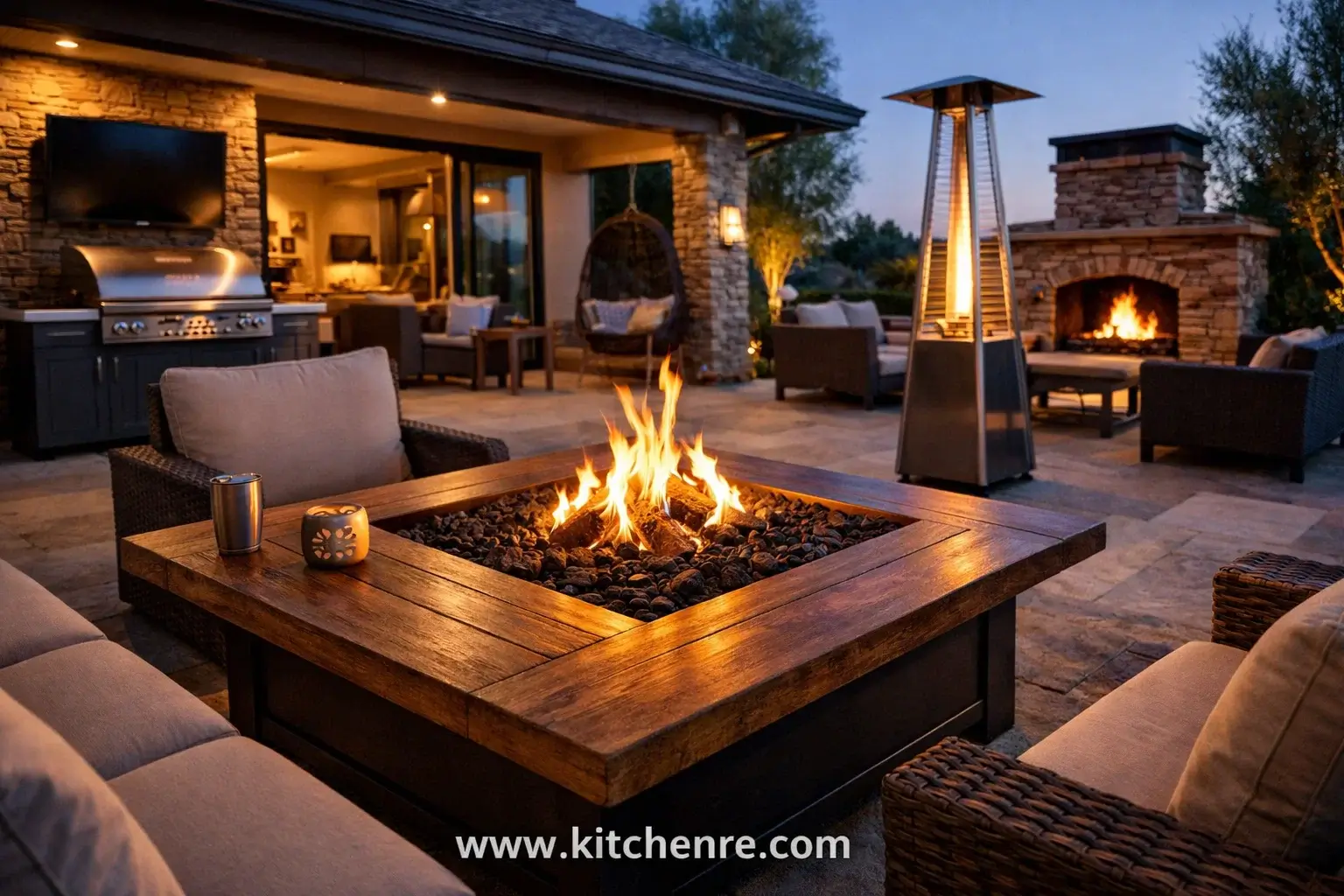
Tabletop Fire Pit 5 Powerful Benefits You Need Now
Did you know that outdoor living space spending has surged by over 60% since 2020, with fire features topping the wish list for homeowners across the country? Yet here’s what surprises most people: you don’t need a sprawling backyard or a big budget to enjoy the warmth and ambiance of an open flame. A tabletop fire pit could be the game-changing addition your patio, deck, or dinner table has been waiting for.
Whether you’re searching for a table top fire table for your balcony, a table top propane fire pit for entertaining guests, or simply exploring tabletop fire pits as a safer alternative to traditional fire pits, you’ve landed in exactly the right place. In this comprehensive guide, we’ll break down the five most powerful benefits of owning a tabletop fire pit — backed by real data, expert insights, and practical tips you can act on today.

- 43 Inch Large Fire Pit Table for Outdoor Gatherings: This firepits for outside features 2 removable grill plates,a prote…
- Flexible Cooking with 360° Grill Plates: Each grill plate on this fire pit grill rotates 360° and adjusts in height, all…
- Designed for a More Enjoyable Fire Experience: The round fire pit features a high temperature resistant coating designed…
Table of Contents
What You’ll Need: Key Components of the Perfect Tabletop Fire Pit Setup
Before diving into the benefits, let’s talk about what makes a great tabletop fire pit setup. Think of this as your “ingredients list” — the essential elements for a safe, beautiful, and long-lasting experience:
- A quality tabletop fire pit (propane, bioethanol, or gel-fuel — more on this below)
- Fuel source: A standard 1-lb propane canister (for table top propane fire pit models) or bioethanol liquid
- A heat-resistant table or surface rated for at least 200°F
- Lava rocks or decorative fire glass (usually included, but upgrades are available)
- A snuffer or lid for safe extinguishing
- Optional: windscreen or glass enclosure for outdoor use
- Optional: decorative tray or base to protect your tabletop surface
Substitution tips: If you don’t have lava rocks, fire glass beads or even sand can work as a diffuser. For those sensitive to propane scents, bioethanol is an odorless, eco-friendly alternative that burns cleanly.
Setup & Burn Time: Faster Than You Think
One of the biggest pain points with traditional fire pits is the time investment. According to a 2023 consumer outdoor survey, the average person spends 22 minutes setting up and lighting a traditional wood-burning fire pit — not counting cleanup time afterward.
With a tabletop fire pit, here’s how the timing breaks down:
- Unboxing & first-time assembly: 10–15 minutes
- Setup each use: Under 5 minutes (connect fuel, add rocks, ignite)
- Average burn time per propane canister: 2–4 hours on high; 4–8 hours on low
- Cleanup after use: 2–3 minutes (no ash, no mess)
That’s roughly 80% less setup time than a traditional fire pit — giving you more time to actually enjoy the moment. Bioethanol models burn similarly, typically 3–5 hours per liter of fuel.
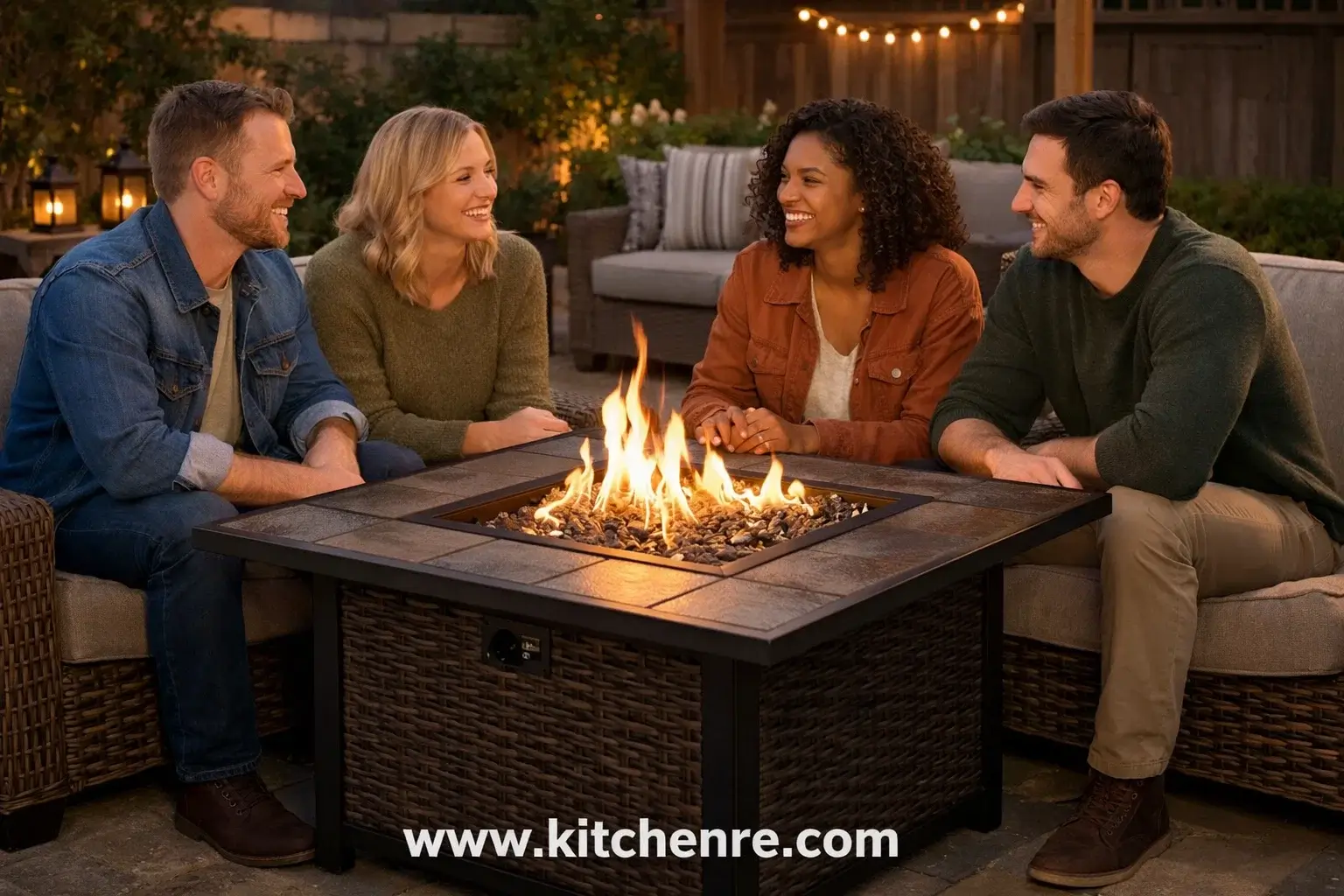
5 Powerful Benefits of Owning a Tabletop Fire Pit
Benefit 1: Unmatched Portability and Versatility
Traditional fire pits are fixed installations or heavy freestanding units weighing 50–150 lbs. A tabletop fire pit, by contrast, typically weighs between 5 and 20 lbs. You can take it to a rooftop gathering, a camping trip, a beach bonfire, or simply move it from your dining table to your coffee table.
Pro Tip: Look for models with carrying handles and compact designs under 18 inches in diameter. These travel effortlessly in car trunks and fit in apartment storage without taking over your space.
Benefit 2: Superior Safety for Families and Pets
A 2022 National Fire Protection Association (NFPA) report noted that outdoor fire pits are responsible for thousands of unintentional injuries annually — primarily from sparks and embers. Tabletop fire pits — especially table top propane fire pit designs — are fully enclosed, produce no flying embers, and often feature automatic shut-off valves and tempered glass wind guards.
This makes them dramatically safer for households with children, pets, or limited outdoor space. Many apartment complexes and HOAs that ban traditional fire pits explicitly allow tabletop propane models due to their controlled burn environment.
Benefit 3: Ambiance Without the Smoke
Ask anyone who’s sat around a wood-burning campfire and they’ll mention the smoke — the watering eyes, the smell that clings to clothes for days. Propane and bioethanol tabletop fire pits burn virtually smoke-free, giving you all the romantic, cozy warmth of a live flame without the respiratory irritants.
Actionable Tip: For the best visual effect, use blue-tinted fire glass over your burner. It catches and reflects the flame beautifully, creating a jewel-like glow that turns any dinner table into a designer centerpiece.
Benefit 4: Cost-Effective Outdoor Entertaining
A high-quality outdoor fireplace or built-in fire pit can cost anywhere from $1,000 to $10,000+ installed. A premium tabletop fire pit? You’ll find exceptional models in the $80–$250 range, with fuel costs running as low as $1.50 per hour for propane and $2–$3 per hour for bioethanol.
For someone who entertains 2–3 times per month, a tabletop fire pit pays for itself within one season compared to heating patio spaces with electric outdoor heaters. It also requires zero professional installation, permits, or structural modifications.
Benefit 5: Aesthetic Elevation for Any Space
Today’s table top fire tables are design objects in their own right. From sleek concrete and brushed stainless steel to artisan copper and handcrafted ceramic, these pieces elevate any patio, deck, or dining room. Interior designers increasingly recommend tabletop fire pits as year-round centerpieces that anchor outdoor furniture arrangements.
Design Tip: Pair your tabletop fire pit with low-profile seating and string lights overhead to create a layered lighting effect that makes any outdoor space feel like a five-star resort.
Tabletop Fire Pit vs. Traditional Fire Pit: At-a-Glance Comparison
Use this comparison to understand exactly what you’re choosing when you opt for a tabletop fire pit:
| Feature | Tabletop Fire Pit | Traditional Fire Pit |
| Size | Compact (12–24 inches) | Large (36–60+ inches) |
| Fuel Type | Propane or bioethanol | Wood or propane |
| Setup Time | Under 5 minutes | 15–30 minutes |
| Portability | High – carry anywhere | Low – fixed or heavy |
| Safety Rating | High (no open sparks) | Moderate (sparks possible) |
| Avg. Cost | $50–$300 | $150–$800+ |
| Burn Time | 2–8 hours per tank | Varies (wood dependent) |
Eco-Friendly and Budget-Friendly Alternatives
Want to make your tabletop fire pit experience even more sustainable? Consider these smart swaps:
- Choose bioethanol fuel: Made from fermented plant materials, bioethanol burns carbon-neutral and produces no soot or particulate matter — ideal for enclosed patios or covered outdoor areas.
- Gel fuel cannisters: A great beginner option — no gas lines, no propane tanks. Gel fuel burns cleanly and is widely available. Expect 2–3 hours per canister.
- Solar-powered flame effect alternatives: For indoor-only use or areas with strict fire codes, high-quality electric flame simulators with LED technology now look remarkably realistic and cost nothing to run.
- Reclaimed or recycled fire glass: Many specialty suppliers offer recycled glass beads in place of virgin fire glass, reducing your environmental footprint without sacrificing beauty.
- DIY bioethanol inserts: For the crafty homeowner, bioethanol burner inserts can be retrofitted into existing planters, concrete blocks, or custom table builds for a fully personalized look.

Serving Suggestions: Creative Ways to Use Your Tabletop Fire Pit
A tabletop fire pit isn’t just for sitting and staring at the flame (though that’s perfectly valid). Here are some creative ways to make the most of yours:
- Intimate dinner parties: Center your fire pit on the dining table surrounded by low floral arrangements and pillar candles for a dramatic, editorial look.
- S’mores stations: Many tabletop fire pits support long roasting skewers. Set up a s’mores bar with gourmet chocolate, flavored marshmallows, and artisan graham crackers.
- Cocktail hour ambiance: Use a smaller tabletop propane fire pit as a centerpiece on a bar cart or outdoor bar counter during evening gatherings.
- Meditation and relaxation corner: Place it on a low outdoor coffee table, add a comfortable floor cushion, and use the flame as a focal point for mindfulness practices.
- Year-round use: Bring it indoors during winter (bioethanol models only — always ensure proper ventilation) for a cozy fireplace effect without a real hearth.
Common Mistakes to Avoid With Your Tabletop Fire Pit
Even the best tabletop fire pit can disappoint if used incorrectly. Here are the most common pitfalls — and how to dodge them:
- Using the wrong fuel type: Always confirm which fuel your specific model requires. Mixing fuel types can damage the burner and void warranties. Never use gasoline or lighter fluid.
- Placing it on a flammable surface: Even though tabletop fire pits are designed to radiate heat upward, some heat transfers downward. Always place on a stone, tile, concrete, or metal surface — never directly on wood or plastic furniture without a heat-resistant pad.
- Ignoring wind conditions: A breeze can extinguish the flame suddenly or deflect heat unexpectedly. Use a glass windscreen on exposed outdoor spaces, and always monitor the flame in gusty conditions.
- Overfilling with fuel: With bioethanol models, filling past the recommended line creates a hazard when the fuel expands with heat. Always follow manufacturer guidelines.
- Forgetting to let it cool before moving: Even after extinguishing the flame, burner components remain hot for 15–20 minutes. Never move the unit immediately after use.
- Skipping the snuffer: Blowing out a bioethanol flame can cause a flare-up. Always use the included snuffer lid or a metal cover to extinguish safely.
Storing Tips: Keep Your Tabletop Fire Pit in Peak Condition
Proper storage extends the life of your fire pit significantly — and protects your fuel investment. Here’s how to do it right:
- Always store with no fuel inside: Drain or remove propane canisters and seal any bioethanol reservoir before storage. This prevents leaks, evaporation, and fire hazards.
- Use a protective cover or carry bag: Most quality tabletop fire pits come with a dust cover. If yours didn’t, a snug-fitting bowl cover or cotton canvas bag works perfectly.
- Store indoors or in a dry location: Humidity and rain can corrode metal components and compromise the burner mechanism. A garage, shed, or indoor closet is ideal.
- Clean the burner tray before storage: Remove lava rocks or fire glass, rinse them with warm water, and let them dry completely before replacing. A clean burner prevents clogging and inconsistent flames.
- Inspect connections seasonally: Before your first use of the season, check the propane hose and regulator for cracks or wear. Replace any damaged components before use.
- Keep bioethanol fuel in a sealed, cool location: Bioethanol is flammable and should be stored in its original container, away from heat sources, in a locked cabinet if children are present.
Conclusion: Your Outdoor Space Deserves This Upgrade
A tabletop fire pit combines portability, safety, stunning aesthetics, and cost-effective ambiance into one compact package. Whether you choose a table top propane fire pit for convenience or a bioethanol model for eco-conscious burning, you’re investing in countless evenings of warmth, connection, and atmosphere — without the hassle of traditional fire pits.
Ready to transform your outdoor (or indoor) space? Try one of our top-recommended tabletop fire pit models this season, and let us know how it goes! Share your experience in the review section below, leave a comment on the blog, or subscribe to our newsletter for more outdoor living ideas, product roundups, and seasonal guides.
Frequently Asked Questions (FAQs)
Q1: Are tabletop fire pits safe to use on a wood deck?
With proper precautions, yes. Always place a heat-resistant pad or stone tile beneath the unit. Ensure the fire pit has a drip-free, sealed base, and never leave it unattended on any wood surface. Most manufacturers rate their tabletop fire pits safe for use on composite decking when a protective barrier is used.
Q2: Can I use a table top propane fire pit indoors?
Propane fire pits should only be used in well-ventilated areas — never inside an enclosed room. However, bioethanol tabletop fire pits (which produce only water vapor and CO2) are generally considered safe for indoor use with adequate ventilation. Always check local regulations and manufacturer guidelines.
Q3: How long does a propane canister last in a tabletop fire pit?
A standard 1-lb propane canister typically lasts 1.5 to 4 hours depending on your flame setting. On low, you can extend burn time significantly. A 20-lb tank (with an adapter hose) can power 40–80+ hours of use, making it far more economical for frequent entertainers.
Q4: What’s the difference between a table top fire table and a tabletop fire pit?
Great question! A table top fire table is typically a piece of outdoor furniture (like a coffee or dining table) with a built-in fire pit insert — it functions as both a table and a fire feature. A tabletop fire pit is a standalone, portable unit designed to sit on top of an existing table. The fire table is more permanent; the tabletop fire pit offers more flexibility.
Q5: Are tabletop fire pits allowed in apartments and condos?
This varies by building and local fire code. Propane tabletop fire pits are often permitted on balconies in many jurisdictions, though some buildings prohibit open flames entirely. Bioethanol models are more widely accepted due to their smoke-free, low-risk burn profile. Always check your lease agreement and local ordinances before purchasing.
Q6: How do I clean and maintain my tabletop fire pit?
Cleaning is simple: let the unit cool completely, remove and rinse the decorative rocks or glass, wipe the burner tray with a dry cloth, and check the fuel connections. For propane models, inspect the hose and regulator monthly. Bioethanol burners benefit from a thorough cleaning with warm soapy water every few uses to prevent residue buildup.